The United States has a huge problem when it comes to homeless pets. Millions of strays are forced to live alone on the streets. Thankfully, many shelters make it their goal to find these vulnerable animals homes and improve their lives. Given the number of pets available in shelters, and how many are at risk outside of them, I believe it is in our best interest to try to rescue and adopt pets rather than purchase them.

Challenges Strays Face
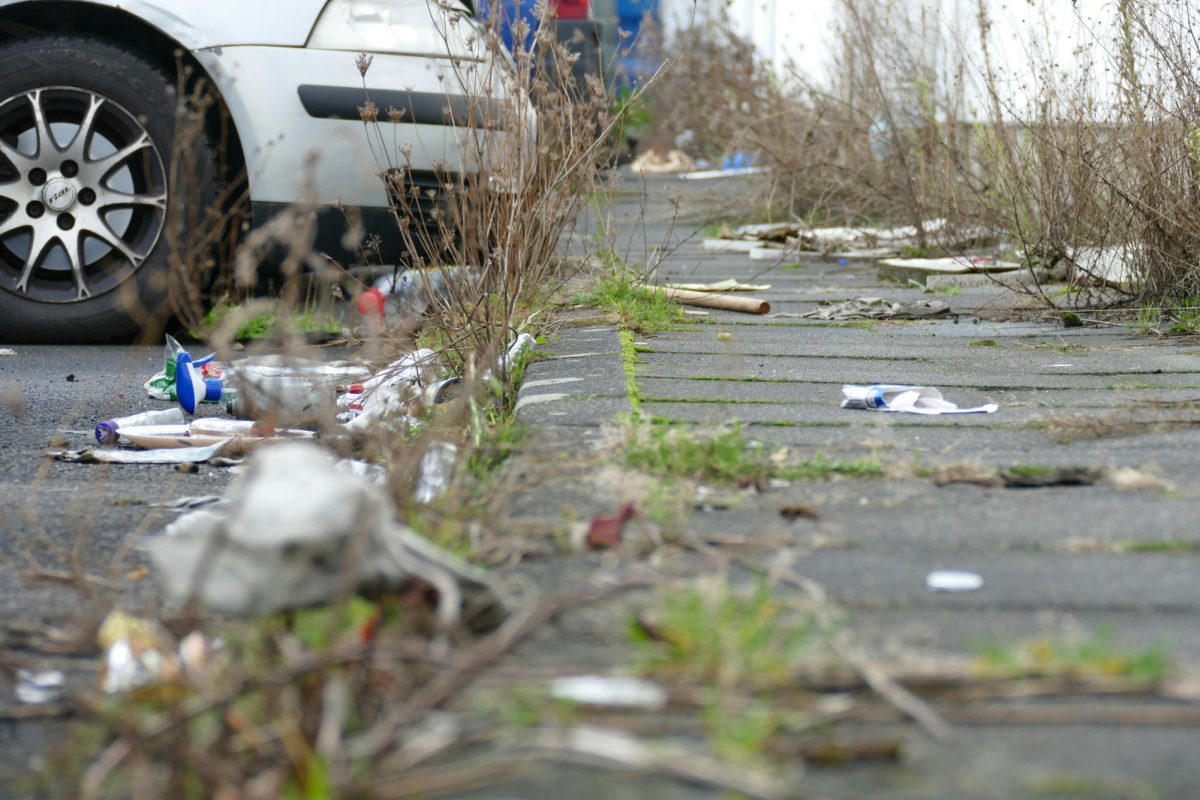
The situation these stray animals face is very sad and dangerous, as their environment poses many risks. They are forced to cross the street, putting them at risk of being struck by a vehicle; pet casualties on the roadway are surprisingly more common than you may think. They have no guaranteed food or water, forcing them to fend for themselves by scavenging from sources such as trash cans. If they cannot sufficiently provide the necessary nutrients their bodies need, they often succumb to the torture of starvation or dehydration. Without shelter, these animals are vulnerable to very harsh climate conditions. Excess heat, snow, cold temperatures, and natural disasters are all very worrying natural issues that these animals face; exposure to disease and predation isn’t rare either. Medical care is a very important factor in a pet’s longevity, but it is also extremely unlikely to be provided.
Euthanasia
Unfortunately, when shelters take many of these animals in, often, they have no other option but to resort to euthanasia. Although there is no definitive amount, the Institute for Environmental Research and Education estimates that an annual number between 390,000 and 680,000 dogs are euthanized in American shelters. They estimate that cats are euthanized at a higher rate, with about 860,000 cats being put down each year in the US. This data is deeply unfortunate, and it is hard even to imagine the vast number of lives lost. Shelters can’t exactly control this, either. Euthanasia of these animals doesn’t stem from shelters not wanting them, but rather the fact that they can’t take care of them. The number of homeless animals far outweighs the number of families and homes looking to adopt. Certain animals, such as dogs or cats, may be old, disabled, or aggressive, and end up having an even lower chance of finding a home. Many families would never even consider adopting this type of pet, so they are at much higher risk. Of course, no one is obligated to choose any type of animal, and not doing so isn’t immoral. But still, pets facing adversity demand a much higher level of responsibility, one that many may not want to or cannot deal with. Thankfully, over half of the shelters in America have a “no kill” policy.
Unethical Breeding
Unethical sources, such as puppy mills, pet stores, and backyard breeders, prioritize profit rather than the safety and welfare of their animals. Inbreeding and selective breeding also pose risks of genetic issues. The most commonly affected animals are dogs; breeds such as French bulldogs and pugs are selectively bred for their flat faces. This has led to health defects such as severe respiratory issues. Cats also experience this sense of neglect, with similar operations, like “kitten factories.” Kitten factories are profit-driven and are known to be riddled with disease and have cramped living spaces for the kittens. These sources increase mortality rates and lead to the neglect and abuse of millions of animals.
The Benefits of Adoption/Rescue
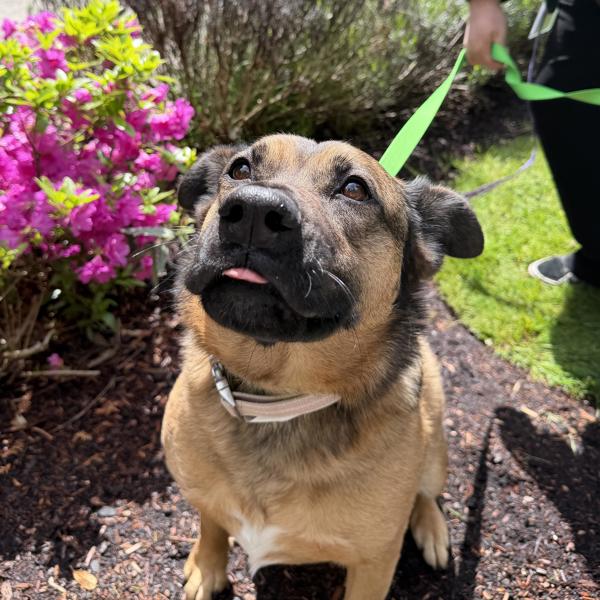
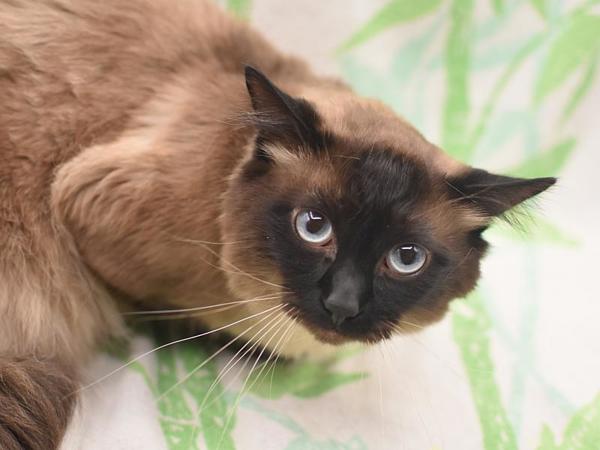
Although adoption comes with challenges, the light these animals bring into a home is far more rewarding for both parties. You are directly providing an animal with a second chance at life. They strengthen bonds among family members, provide companionship, and teach people responsibility through caregiving. As any pet owner would tell you, pets are seen as members of the family. Pets will love you unconditionally, and you become their everything. Animals also provide an extraordinary sense of comfort for those with diagnosed mental health conditions, and through extensive training, they can become service animals as well. The adoption process also creates space in the shelter, allowing another animal to take its place, and provides another opportunity for a pet to find a home. This means you have the opportunity to save multiple lives. Additionally, by adopting a pet, you support ethical pet sources that prioritize the well-being of the animals they care for.
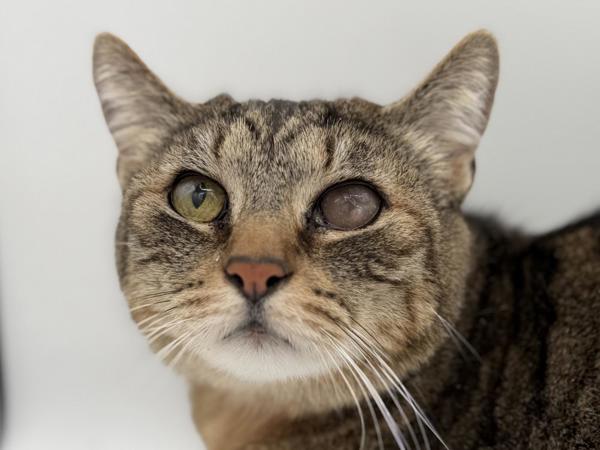
Oregon Human Society
Adopted animals, rescued and provided with a home and a better quality of life, are the result of numerous organizations and families welcoming them into their lives. These organizations genuinely care for these animals and often rely on volunteers who sacrifice their time to help in situations that can seem hopeless. Many are non-profits and do not care about any monetary gain from these matters. Oregon Humane Society is a nonprofit organization based in Portland that provides care, reduces abuse, offers veterinary services, provides training, and raises awareness for all pets. Just last year alone, OHS improved and extended the lives of 56,376 animals through veterinary care, found homes for 12,478 through adoption, strengthened the understanding of 2,498 owners through training classes, and protected the well-being of 2,048 pets by safeguarding their relationships with their owners.
Other Ways to Help
Many may not want to adopt a pet, but still want to contribute to the cause. Organizations such as OHS gladly accept and always appreciate volunteers who give up their time to help. Volunteering is a great way to get involved while not making any long-term commitments. Tasks may include feeding the animals, playing with them, grooming, walking, cleaning cages, helping manage outreach efforts to help pets get adopted, or filing paperwork for animals already in the adoption process. If you are specialized in veterinary medicine, there are also possibilities to help with veterinary care for them. These tasks may seem small, but they help tremendously. You can bring joy to these animals in situations that can be very nerve-racking and lonely.
Together, as a community, we can ease the suffering these animals endure by fostering a sense of hope and shared responsibility. It may not be solvable, but it is always worth pushing to help. Oftentimes, these animals rely on us, and we should be there for them.