
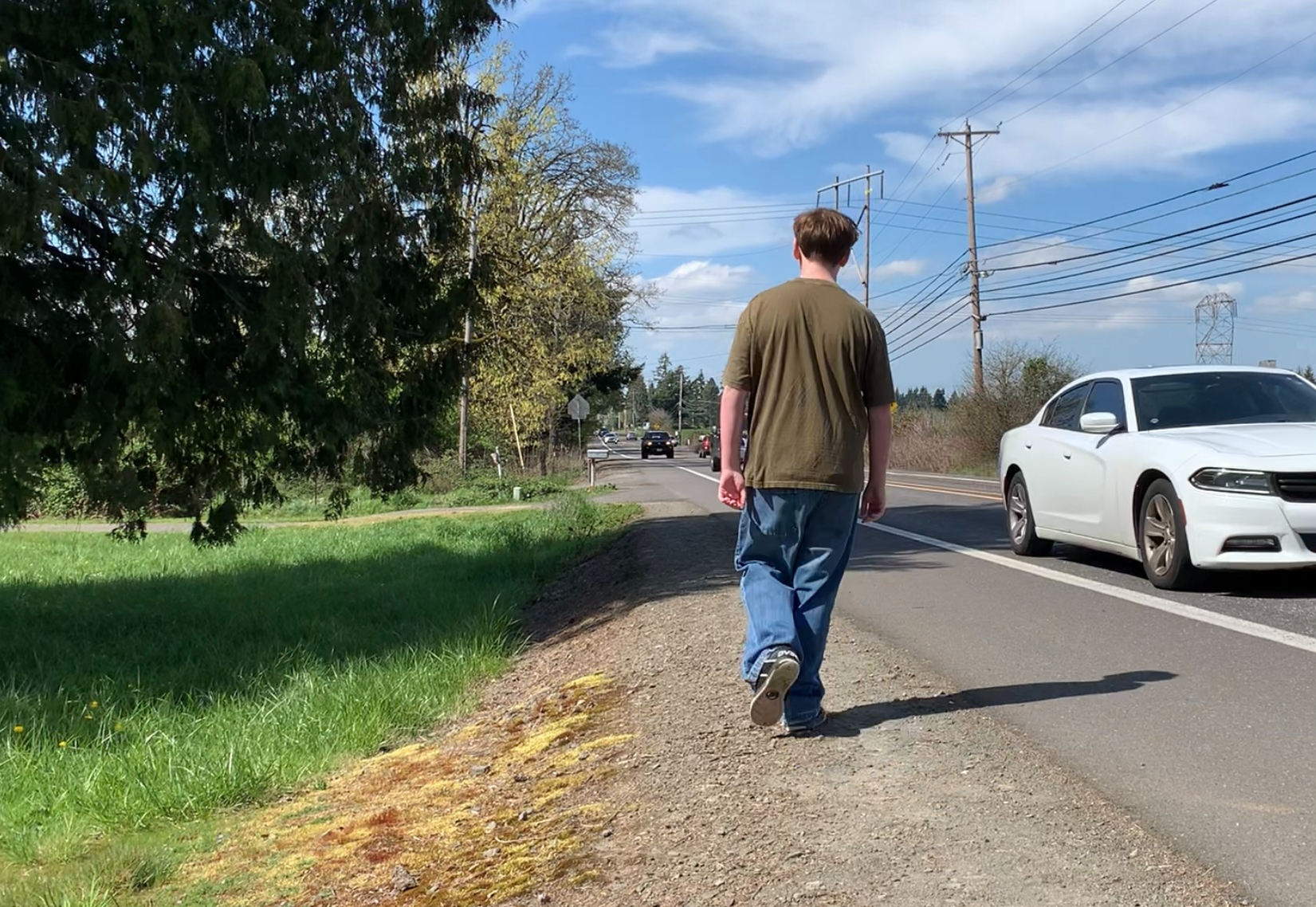
The United States has pursued many technological and societal advancements, from the race for satellite improvement and nuclear weapons to the creation of the radio and the telephone. Yet, despite all of the inventions that have come out of our nation, there is one branch of advancement that we have fallen behind in, and that is walkability.
Why do we lack pedestrian support compared to other countries? And how do they do it better?
Well, there is no one answer for why our nation isn’t pedestrian-friendly, but there are several factors that have influenced the geography of our cities and other environments. Such as our early implementation of automobiles and low-density areas. When development soared after World War Two, our country had already started to become centered on automobiles for high-speed travel between far-away locations, leaving little consideration for pedestrian-friendly paths and sidewalks. In rural communities, this is much of the same thing: communities have little infrastructure, and sidewalks aren’t implemented in sparsely populated towns despite the small area they cover.
But there are other countries that have approached walking and other forms of mobility from a different angle, such as Japan. Pedestrian life looks very different in the eastern nation: first, the industrial layout is different in style compared to the United States, with a balance of both wider streets and narrow avenues that can only be traveled by foot. If you really want to travel around a city in Japan, you would have a much easier time walking instead of driving from place to place. Secondly, Japan allows some popular areas like common shopping sectors to be blocked from cars during weekends. This directly encourages civilians to travel on foot rather than using an automobile. Thirdly, certain areas attract pedestrians directly. One such example is bridges that are designed for those on foot to capture beautiful views, and the long strips of stores operated under elevated railway tracks.
What would the United States gain from improved pedestrian travel? Is it really worth it?
Walkability has various benefits for our country, and it could improve multiple aspects of the average U.S. citizen’s way of life.
Firstly, increased pedestrian-friendly travel would encourage more people to move on foot, which would give everyone more day-to-day exercise. Walking has a multitude of health benefits, such as improving your ability to maintain a healthy weight, managing various conditions such as heart disease and stroke, and increasing your mood, cognition, memory, and sleep.
Secondly, walking is better for the environment because of the effects of fuel burned by cars. The average automobile emits 4.6 metric tons of carbon dioxide per year, which includes when it is moving and when it’s idling in traffic. Due to the large amount of fossil fuels that have been burned by automobiles, these gases have contributed significantly to smog and air pollution in certain areas of the country, which can be harmful to human health. Yet walking doesn’t release any of these toxic chemicals into the air and can therefore decrease your reliance on some fossil-fuel-focused modes of transportation.
Thirdly, an increase in pedestrian activity can also have a positive impact on the economy. Walkable cities are generally attractive because they have all the necessary components for an average citizen, including supermarkets, places to eat out, living spaces, parks, and much more, all within walking distance. Additionally, it has been shown that the increased walkability of a city or populated area correlates with an increase in home values, making it beneficial for pedestrians who live in or near these areas. Even then, the annual cost of owning an automobile for the average citizen is very high, and living in a pedestrian-friendly area could save thousands of dollars.
What would it take to implement better walkability throughout the country?
For the United States, it would take multiple changes in our transportation systems and their appeal to become a more pedestrian–friendly nation.
One problem we face is the lack of easy and safe routes that pedestrians can use to walk from a residential area to a grocery store or other place of interest. This could be solved by building sidewalks onto strips of roads that lack them, or by building a separate walking path unconnected from the road. Implementation of these sidewalks and walking paths all around the country would have the potential to heavily increase foot traffic and decrease automobile congestion in the area.
Another problem we face is the choices citizens make when they want to travel somewhere far away. Rather than use public transportation, many would rather use personal vehicles to get to their destination. Yet if everyone makes this decision, it increases overall traffic congestion and adds further pollutants to the air. It is much more effective in these aspects to use public transportation services. But public transportation needs to be more widespread and accessible, and it needs to be more attractive. While buses and light rail cars may be easily accessible in cities and some urban areas, a majority of rural areas in the country lack these services, and there has been a lack of passenger rail expansion throughout the nation. Rather, rural communities should at least have one mode of public transportation, and populated areas or frequently traveled routes should be targeted with the implementation of new passenger rail stations, making public transportation more accessible for all.
Lastly, one trait our nation somewhat lacks with pedestrian routes is a general attractiveness and aesthetic that makes walking more enjoyable. This is more of an issue in densely populated areas, yet many walking routes in the United States are covered with concrete, and the general vibe when moving by foot in those areas is often unappealing. Rather, by borrowing examples from Japan, we can encourage small stores or communal areas to be made along these routes, as well as implementing greenery in these spaces to add some natural colors to the path. All of these choices would make walking in these areas that much more attractive, and would aid in growing a large pedestrian community.
Together, by implementing more pedestrian routes and rethinking their layout, improving public transportation in several ways, and making pedestrian routes and walking choices more attractive, we could transform the United States into a much more walkable and pedestrian–friendly country.