
Have you ever seen someone wearing something so odd that you think to yourself, “Man! That is ugly! I would never wear something like that!” But..oh, another person’s wearing it… Then your friends start wearing it. Soon, it feels like everyone is wearing this once bizarre piece of clothing. “Maybe I was too quick to judge,” you think as you look down at your own clothing, “Maybe I should start wearing that too.” But not too long ago, you were thinking that was something you would never wear. Have your opinions really changed? Or just your perspective?
This question may be answered by a psychological phenomenon called “The Bandwagon Effect.” This, as Mahal Alvarez-Backus puts it in their article, “Hop on the Bandwagon: Examining the Cognitive Processes Behind Why You Simply MUST Have That,” that it “refers to people’s tendency to buy an object to conform to the majority. The demand for the object increases as people increasingly consume it. Indeed, individuals use this object to fit in with the people they want to associate with or to appear to be stylish.” In other words, people’s actions are influenced by other people’s actions.
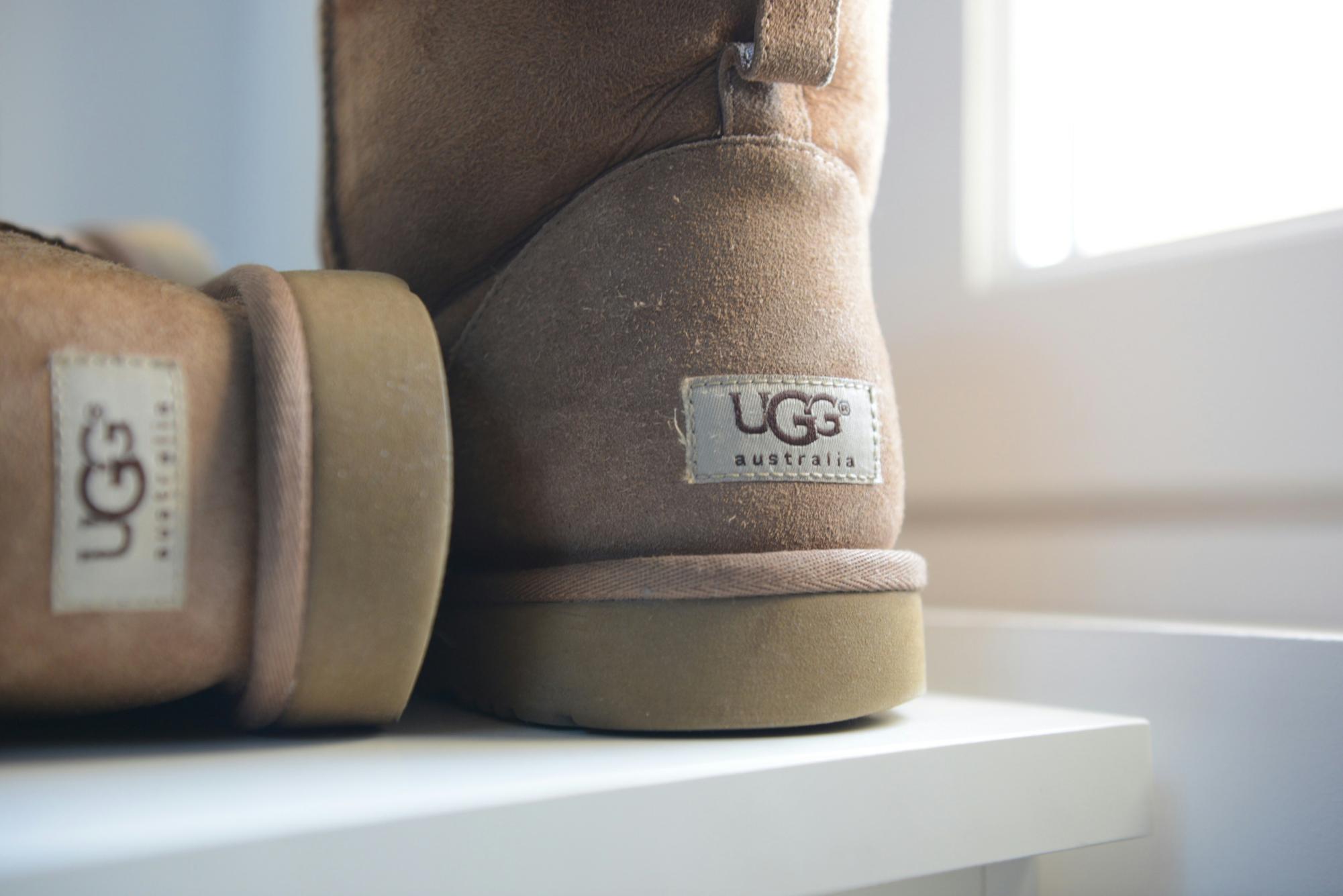
Let me ask you this: what makes Uggs so special? Why do we only see one color? Did you know there are over 28 different colors and dozens of different styles? Have you ever seen pink uggs? They exist. I’ve never seen them, either. I have, however, seen at least one in every four girls wearing the classic ultra mini or slipper Uggs in the color chestnut, or replicas of them. This is not to call anyone out or make you feel guilty; I even own a pair myself.
This doesn’t just apply to teenagers, either; it applies to anyone. Why buy a Rolex watch? That watch tells the same time as my ten-dollar watch. It’s all about the status. Do I really like my Uggs? Now that I think about it, they are ugly. But someone saw someone else wearing them, and pretty soon, the whole school was wearing them. We feel like we belong. Sheep flock with the herd; we are all a bunch of sheep following around the leader, a person who tells us what to wear and what not to.
Why spend $400 on a Tom Ford cologne rather than a $20 dupe? Does it really make that much of a difference? If you are pondering a response, let me make it simple for you. No. It doesn’t. Yet this will never stop; the influenceable will continue to be influenceable. To be impressed upon. The next generation will get social media and start caring if their superhero backpack is cool or not. It is a mark in our society. Of what you say? Of status.
As Austin Price, chief editor of “The Psychology Behind Trends,” puts it, “we don’t want to be left out and because it’s easier than making our own path.”